

Decorating Instability
On the Vasa, the ego's engineering problem, and the particular mercy of a mild gust of wind

If you wrote this into fiction, your editor would send it back.
Too on the nose, they’d say. Symbolism this blunt reads as contempt for the reader.
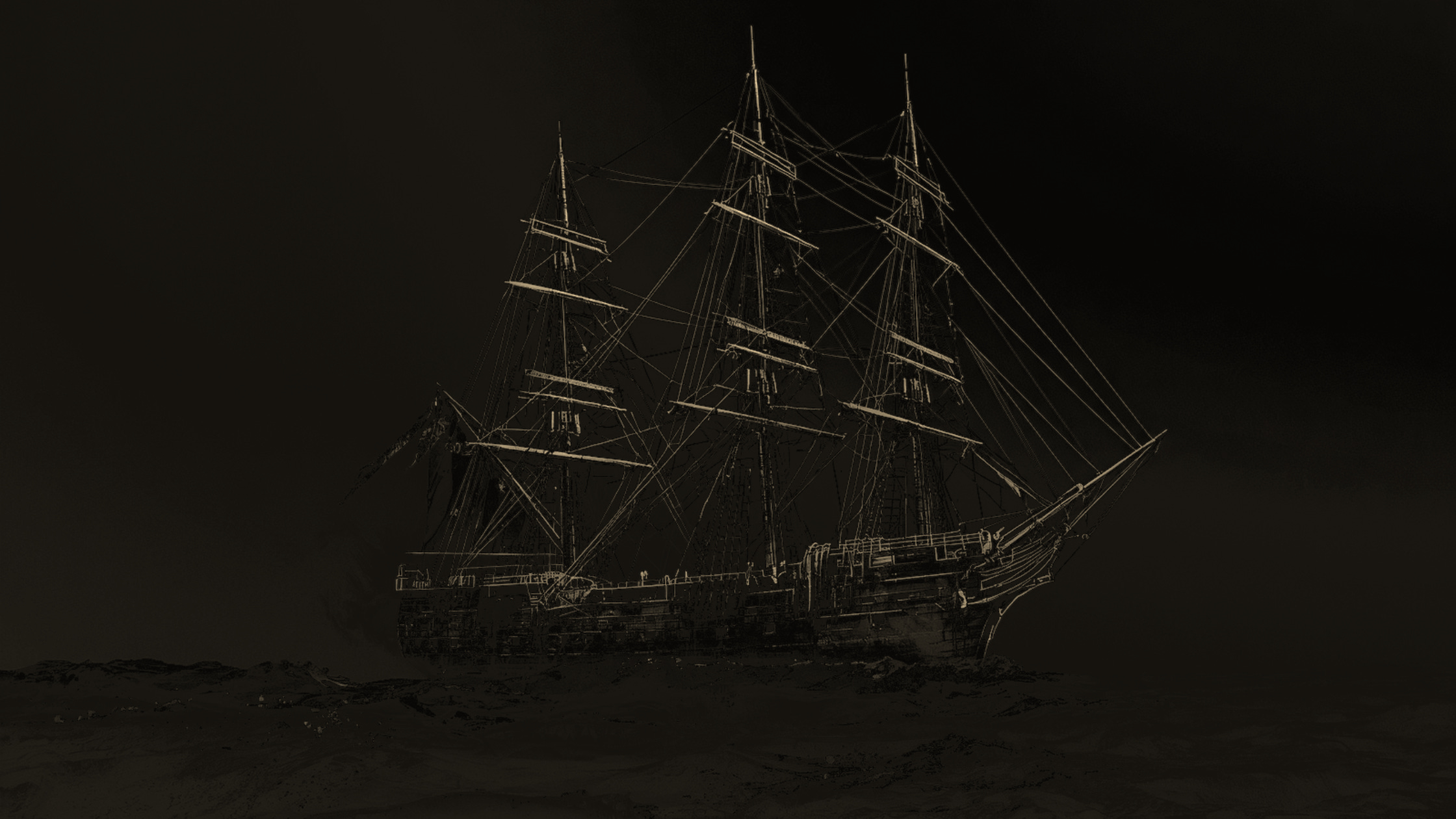
A warship. An empire’s vanity project. Built from a thousand oak trees. Gilded and painted and hung with sculptures of roaring lions and scenes of Swedish dominance. So top-heavy that its own architect reportedly warned the king it couldn’t survive open water. Given a stability test before launch—sailors running port to starboard on its deck—that had to be stopped early because the ship was tilting badly enough to capsize right there in the harbor.
And then: maiden voyage. Fair weather. Crowds gathered on the shore to witness the future of Swedish naval power sailing out into the world.
A gust of wind hit.
The Vasa tilted, righted herself, then tilted again when the second gust came. Water entered through the open gunports. She sank in under an hour, 120 meters from shore, in full view of spectators, on a clear August day in 1628.
Not in battle. Not in a storm. A breeze.
"The mythology doesn't pause to grieve. It just gets wet."
—A.C. Cash
The Hook That Snagged Me
The number 333 is the reason I went down this particular rabbit hole—my number, my signal, the one that keeps surfacing in doorways and receipts and page numbers when something is about to open up.
The Vasa sat at the bottom of Stockholm harbor for 333 years before it was raised in 1961. I don’t think that’s cosmically ordained. I think it’s the kind of detail that acts as a hook, that snagged my attention long enough for the real inquiry to set in.
Because the Vasa isn’t an interesting story because of the sinking. It’s an interesting story because of what the sinking is.
The shadow is not merely evil.
Often, the shadow is simply the ignored engineering report.
A Navy Capable of Carrying the Mythology
By 1626, Sweden was a serious European power—a professional army, mobile artillery, dominant trade position in the Baltic. What King Gustavus Adolphus needed was a navy capable of carrying the mythology Sweden had already started telling about itself.
He commissioned Dutch shipbuilder Henrik Hybertsson to build it. The ship that emerged—69 meters long, two full gun decks, 64 bronze cannons, hundreds of painted sculptures, an elaborate iconography of empire—was less a military vessel than a three-dimensional declaration. The Vasa was Sweden saying: behold what we are.
Hybertsson reportedly said the design was too top-heavy. Said it plainly.
The tests confirmed it. A demonstration was halted because the ship was listing dangerously, with sailors just jogging across the deck.
And everyone proceeded anyway.
